To a large extent, the roof’s age is also dependent on factors like the roofing material used, installation technique, and quality of work involved, as well as exposure to weather conditions along with wear & tear, including maintenance of the roof. Asphalt shingle roofs typically last 15-30 years, whereas Metal roofing usually lasts for 40-70 plus years. When properly installed and maintained, tile roofs can last for decades. But these are ranges, not guarantees.
With Mike’s Roofing LLC, we simplify evaluating roof condition by not basing it only on age. Knowing the roof lifespan you can expect from your roof gives you insight into when maintenance is due, how to identify warning signs of trouble, and when it is more cost-effective to repair or replace your roof.
Lifespan of Various Roofing Materials
As with everything, roofing materials do not age the same over time, and identifying what your home has is the first step towards estimating how much more life it will have.
Asphalt Shingle Roof
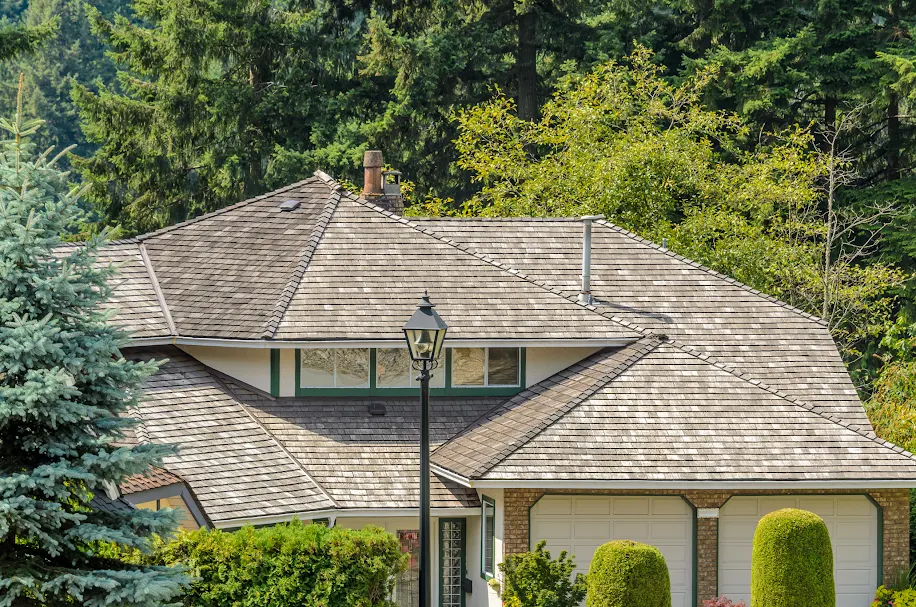
The most popular roofing option for residential property is also an Asphalt Shingle Roof, as they provide the ideal combination of cost, look, and performance. Normal asphalt shingles have an approximate lifespan of 15–20 years, yet higher quality architectural shingles can last 25-30 years or more with proper installation and ideal conditions.
That window of time can be shortened by multiple factors like storms, attic airflow issues, humidity exposure, algae growth, and even drastic temperature changes. If your shingles are nearing the end of their expected lifespan, it is even more important to have regular roof inspections.
Metal Roofing
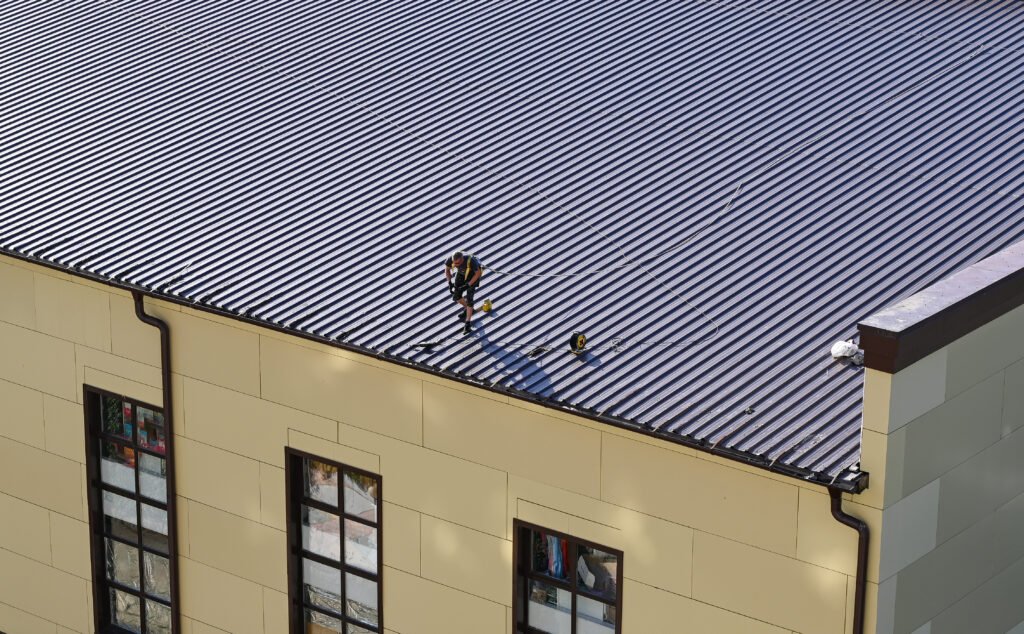
The durability difference is one of the biggest differences when comparing Metal Roof vs Asphalt. Metal roofs last 40–70 years or even longer depending on the material and installation. Metal roofing also promises excellent weather resistance and needs very minimal regular maintenance.
Metal roofing, when installed properly, is a long-lasting investment, but the quality of installation has an important impact on its actual output.
Tile Roofing
In fact, tile roofs have one of the longest service lives. Concrete and clay tiles can last half a century or longer when installed and maintained correctly.
Although the tiles themselves might be strong enough for 30 years, other roofing parts could not be as durable. Longer term, an underlayment and flashing, ventilation, and fasteners will need to be addressed.
Tile can also be quite heavy, so the house will need to be structurally sound enough to support the roofing material.
Extending Roof Lifespan: How To Do It
If you routinely pay attention to your roof, it is the most effective way for you to get all that you can from your roofing investment. You should first and foremost do a roof check after any major storm. Consider looking for visible damage from the ground, and hire a technician if you notice anything consequential.
Attic ventilation is also important. Overheated and humid environments may cause deterioration of roofing and supporting elements at an accelerated pace. Gutters need to be free from debris so water may drain properly. Dab away branches and other particles from the roof wherever that is doable.
First and foremost, do not overlook minor leaks. Water has the potential to travel beneath materials before reaching the room, so even within a small ceiling stain there may be something more serious going on.
When Should You Replace a Roof?
When your roof system has large areas of deterioration, multiple leaks, significant storm damage, or when the end of its expected service life is at hand, then Roof Replacement becomes an option to consider.
If repairs are becoming more and more regular and expensive, replacement could also be justified. This makes it easier for homeowners to plan rather than wait until a major failure occurs by finding out when their roof was installed and scheduling an inspection if the roof is aging.
Frequently Asked Questions
How do I determine the age of my roof?
Access records of home improvements, permits, inspection reports, or documents completed by former owners. If they do not have records, a skilled roofing professional can often provide a Roof Age estimation based on condition and visible indicators of materials.
Is an asphalt roof too old to keep after 20 years?
Not necessarily. It is more about the condition than age alone. Not knowing if there is useful service life left in the roof or whether a replacement should be planned can be determined by having a professional inspection performed.
Is metal roofing really worth the higher upfront cost?
Metal roofing, which has a longer lifespan, can be an attractive investment for homeowners who plan to stay in one property or residence over the long term. You may need to look at the cost of materials, installation, maintenance, and also local conditions.
Is tile roofing more maintenance-friendly?
Tile itself can indeed be extremely durable, but the entire roofing system still needs to be addressed. Monitor broken tiles, flashing, underlayment, and drainage regularly.
When should you ideally replace your roof after a storm?
Don’t automatically replace it. First assess the roof by a professional. Repairs could be adequate if the damage is restricted. When damage is extensive, it may be better to replace it instead.