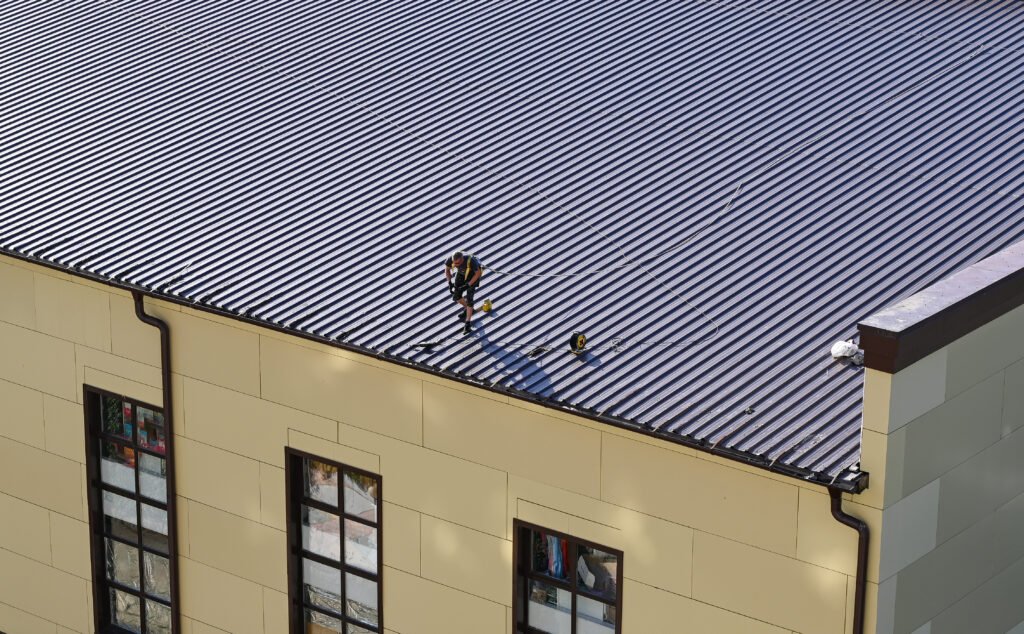
Your commercial roof does much more than cover your building; it protects your employees, customers, inventory, equipment, and daily operations. Whether you own an office building, warehouse, retail center, restaurant, or industrial facility, choosing the right roofing system is a major investment that affects your property’s safety, energy efficiency, and long-term maintenance costs.
Commercial roofs are exposed to constant sunlight, heavy rain, strong winds, snow, and temperature changes. Without proper installation and routine maintenance, even small roofing problems can develop into expensive structural damage.
At Mike’s Roofing LLC, we help business owners select durable commercial roofing systems that match their building, budget, and long-term goals. This guide explains the most common commercial roofing services, roofing materials, installation costs, and maintenance tips to help you make an informed decision.
What Are Commercial Roofing Services?
Commercial roofing services include every stage of a roof’s life cycle, from installation to replacement.
Professional commercial roofing services typically include:
- Commercial roof installation
- Commercial roof replacement
- Commercial roof repair
- Preventive roof maintenance
- Roof inspections
- Leak detection
- Roof coating applications
- Emergency roofing services
- Storm damage repair
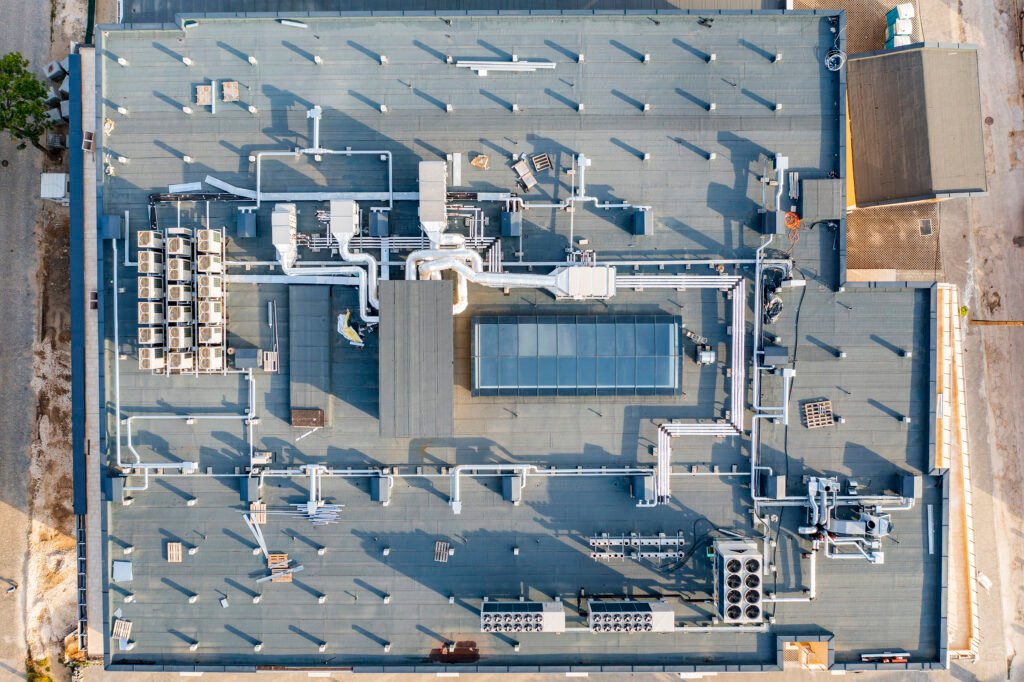
Unlike residential roofs, commercial roofs are generally larger, flatter, and engineered to support HVAC units, solar panels, ventilation systems, and other rooftop equipment. Because of these additional demands, commercial roofing requires specialized materials and experienced contractors.
Types of Commercial Roofing Systems
Every commercial property has unique roofing requirements. Factors such as climate, building size, roof slope, and budget all influence the best roofing solution.
TPO Roofing
Thermoplastic Polyolefin (TPO) roofing is one of today’s most popular commercial roofing systems.
Benefits
- Energy-efficient white reflective surface
- UV resistant
- Lightweight
- Heat-welded seams reduce leaks
- Lower maintenance costs
TPO works particularly well for office buildings, retail centers, and warehouses.
EPDM Roofing
EPDM (Ethylene Propylene Diene Monomer) is a synthetic rubber roofing membrane known for exceptional durability.
Benefits
- Excellent weather resistance
- Performs well in extreme temperatures
- Flexible material reduces cracking
- Long service life
- Cost-effective installation
Many businesses choose EPDM because of its low maintenance requirements.
Built-Up Roofing (BUR)
Built-Up Roofing has been used for commercial buildings for decades.
It consists of multiple layers of asphalt and reinforcing materials that create a highly durable waterproof surface.
Advantages
- Excellent waterproofing
- Heavy-duty protection
- Strong resistance to foot traffic
- Long lifespan
BUR remains a trusted solution for industrial facilities and manufacturing buildings.
Metal Roofing
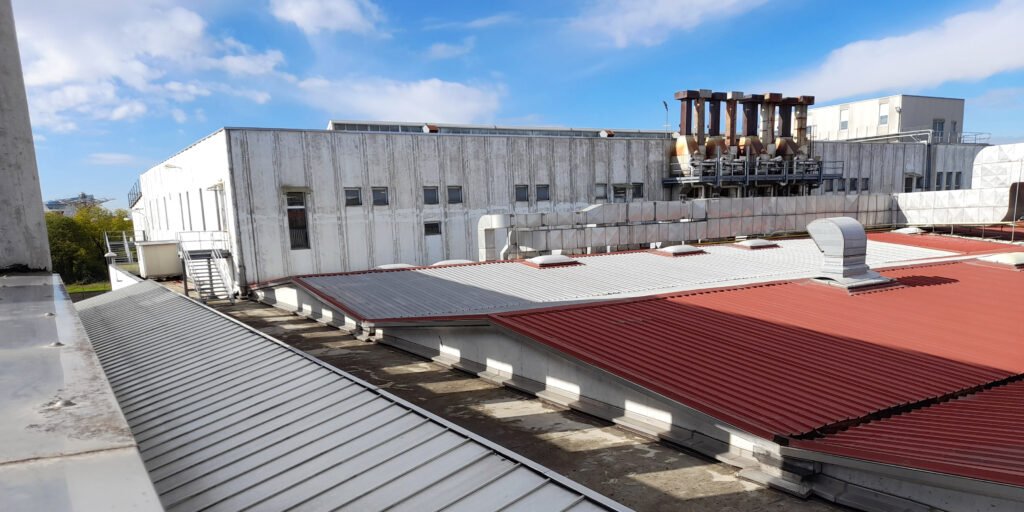
Metal roofing has become increasingly popular among commercial property owners looking for maximum durability.
Benefits
- 40+ year lifespan
- Fire resistant
- Wind resistant
- Low maintenance
- Excellent energy efficiency
- Modern appearance
Metal roofing works especially well for warehouses, agricultural buildings, churches, and industrial facilities.
How Much Does Commercial Roofing Cost?
One of the first questions business owners ask is:
“How much will a commercial roof cost?”
The answer depends on several factors.
Building Size
Larger roofs require more materials and labor, increasing the overall project cost.
Roofing Material
Material selection significantly impacts your investment.
Generally:
- TPO is among the more affordable options.
- EPDM offers excellent value.
- Metal roofing requires a higher upfront investment but lasts much longer.
- Built-Up Roofing falls in the mid-to-high price range depending on the system.
Roof Complexity
Roofs with multiple levels, skylights, HVAC units, drains, or penetrations require additional labor and materials.
Complex roofs typically cost more than simple flat roof designs.
Existing Roof Condition
If an old roofing system must be removed before installation, demolition and disposal costs will increase the overall project budget.
Insulation Requirements
Many commercial roofing projects include upgraded insulation to improve energy efficiency.
Although this increases initial costs, it often reduces heating and cooling expenses over time.
Labor Costs
Professional installation plays a major role in both the cost and long-term performance of a commercial roofing system.
Experienced roofing contractors ensure proper installation that minimizes future repair expenses.
Why Preventive Roof Maintenance Matters
Many expensive roof replacements could have been avoided with routine maintenance.
Regular commercial roof maintenance helps:
- Identify minor issues before they worsen
- Prevent roof leaks
- Improve drainage
- Extend roof lifespan
- Reduce emergency repair costs
- Maintain manufacturer warranties
Experts generally recommend professional roof inspections at least twice a year and after major storms.
Signs Your Commercial Roof Needs Repair
Business owners should schedule an inspection if they notice the following:
- Water stains on ceilings
- Roof leaks
- Standing water
- Cracked roofing membrane
- Damaged flashing
- Rising energy bills
- Mold growth
- Loose roofing materials
- Interior moisture
- Sagging roof sections
Ignoring these warning signs can result in structural damage and business interruptions.
Choosing the Best Roofing Material
There isn’t one roofing system that’s perfect for every commercial building.
Choose TPO if you want:
- Energy efficiency
- Lower cooling costs
- Affordable installation
Choose EPDM if you need:
- Flexible roofing
- Excellent weather resistance
- Long-term durability
Choose metal roofing if you want:
- Maximum lifespan
- Minimal maintenance
- Superior weather protection
Choose built-up roofing if you need:
- Heavy-duty waterproofing
- Excellent durability
- Proven long-term performance
A professional roofing contractor can recommend the best option based on your property’s structure, climate, and budget.
Tips for Choosing a Commercial Roofing Contractor
Not all roofing companies provide the same level of expertise.
Before hiring a contractor, look for:
- Proper licensing and insurance
- Commercial roofing experience
- Positive customer reviews
- Manufacturer certifications
- Detailed written estimates
- Warranty coverage
- Local reputation
- Emergency service availability
Working with an experienced contractor helps ensure quality workmanship and long-lasting results.
Conclusion
Your commercial roof is one of the most valuable investments in your property. Choosing the right roofing system, scheduling regular inspections, and addressing repairs early can significantly extend its lifespan while reducing long-term operating costs.
Whether you’re installing a new commercial roof, replacing an aging system, or planning preventive maintenance, understanding your options allows you to make informed decisions that protect your business for years to come.
At Mike’s Roofing LLC, we provide professional commercial roofing solutions tailored to your building’s needs. From roof installation and repairs to ongoing maintenance, our team is committed to delivering durable, high-quality roofing systems that keep your business protected.
FAQs
1. How long does a commercial roof last?
Most commercial roofing systems last between 20 and 40 years, depending on the roofing material, installation quality, climate, and maintenance schedule.
2. Which commercial roofing material is the most energy efficient?
TPO roofing is one of the most energy-efficient commercial roofing materials because its reflective surface helps reduce heat absorption and cooling costs.
3. How often should a commercial roof be inspected?
Commercial roofs should be inspected at least twice a year and after severe storms to identify damage before it becomes a costly repair.
4. Can a commercial roof be repaired instead of replaced?
Yes. Many roofing issues, including leaks, flashing damage, and membrane punctures, can be repaired if detected early enough.
5. Is metal roofing a good investment for commercial buildings?
Yes. Although metal roofing has a higher upfront cost, it offers exceptional durability, low maintenance, excellent weather resistance, and a lifespan that often exceeds 40 years.