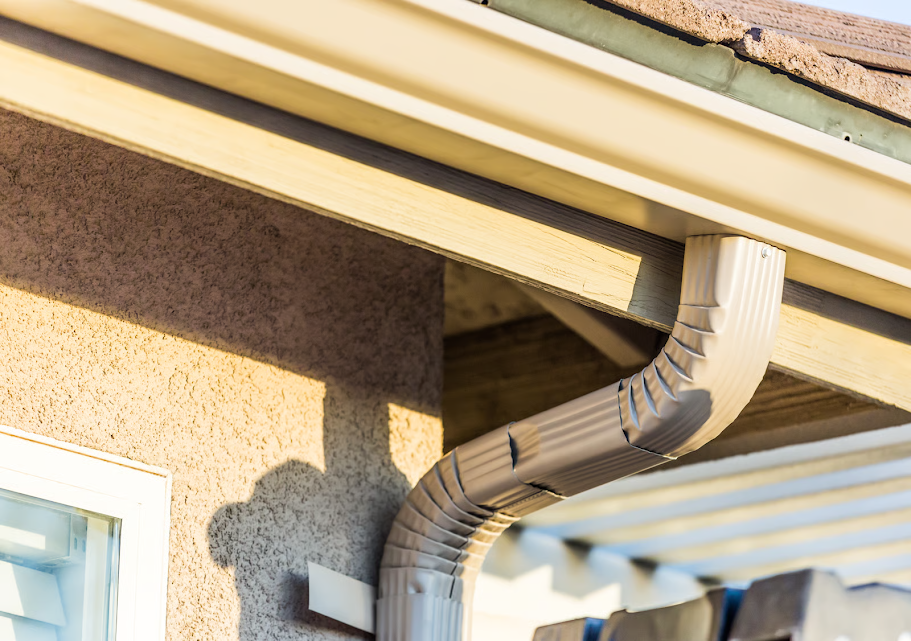
Flat roofs are popular for homes, garages, commercial buildings, and modern properties because they are affordable, space-efficient, and easier to maintain than many sloped roofing systems. However, flat roofs are also more vulnerable to water pooling, leaks, cracks, blistering, and drainage problems over time.
Even a small flat roof leak can lead to major structural damage if ignored. Water intrusion may damage insulation, ceilings, walls, and even the foundation of your property. The good news is that many minor flat roof repair problems can be fixed early with the right tools, proper safety precautions, and step-by-step guidance.
In this 2026 flat roof repair guide, you will learn:
- Common causes of flat roof damage
- How to identify roof leaks
- Step-by-step flat roof repair methods
- Best materials for flat roof repair
- Safety tips for homeowners
- When to call a professional roofing contractor
- Flat roof maintenance tips to prevent future damage
Whether you own a residential or commercial property, this guide will help you understand how flat roof repair works and how to protect your roof from long-term water damage.
Common Causes of Flat Roof Damage
Understanding what causes flat roof problems can help you prevent expensive repairs in the future.
Ponding Water
Flat roofs do not drain water as quickly as sloped roofs. Standing water that remains on the roof for long periods can weaken roofing materials and create leaks.
Cracked Roofing Membranes
Extreme weather, UV exposure, and aging can cause roofing membranes to crack over time, allowing water to seep underneath the surface.
Roof Blisters
Roof blisters form when moisture or trapped air builds beneath roofing layers, creating raised bubbles on the surface.
Damaged Flashing
Flashing around vents, chimneys, and roof edges may loosen or crack, leading to water intrusion.
Clogged Drains and Gutters
Blocked drainage systems prevent water from flowing properly, increasing the risk of roof leaks and structural damage.
Signs Your Flat Roof Needs Repair
Early detection can prevent costly roof replacement projects later.
Common Warning Signs
- Water stains on ceilings
- Mold or mildew growth
- Pooling water on the roof
- Cracks in roofing material
- Soft or sagging roof areas
- Roof blisters or bubbles
- Interior leaks during rainstorms
- Damaged flashing or seams
If you notice any of these issues, schedule a roof inspection immediately.
Essential Tools and Materials for Flat Roof Repair
Before starting DIY flat roof repair, gather the proper tools and materials.
Basic Roof Repair Tools
- Roofing sealant
- Roof patch material
- Putty knife
- Roofing tape
- Utility knife
- Soft broom or brush
- Waterproof gloves
- Safety harness
- Ladder with stabilizer
Common Roofing Materials
- EPDM rubber patches
- TPO roofing membrane
- Roofing cement
- Silicone roof coatings
- Waterproof flashing tape
Using quality roofing materials improves repair durability and leak protection.
Step-by-Step Flat Roof Repair Guide
Step 1: Inspect the Roof Carefully
Start by inspecting the roof after rainfall or visible leaks. Walk slowly and look for:
- Cracks
- Blisters
- Open seams
- Ponding water
- Soft spots
- Damaged flashing
Pay close attention to roof edges, drainage areas, and penetrations around vents or skylights.
Document damaged areas before beginning repairs.
Step 2: Follow Proper Roof Safety Practices
Roof safety should always come first.
Important Safety Tips
- Never work on a wet roof
- Wear non-slip shoes
- Use a stable ladder
- Avoid repairs during storms or strong winds
- Work during daylight hours
- Have another person nearby for assistance
If the roof is steep, severely damaged, or structurally weak, contact a professional roofing contractor instead of attempting DIY repairs.
Step 3: Clean the Roof Surface
A clean surface is necessary for roofing materials and sealants to bond properly.
Remove:
- Dirt
- Leaves
- Debris
- Loose roofing material
- Standing water
Use a soft broom or cloth to avoid damaging the roofing membrane.
Allow the roof to dry completely before applying any repair products.
Step 4: Repair Small Cracks and Leaks
Small cracks can quickly turn into major leaks if left untreated.
How to Repair Minor Flat Roof Cracks
- Clean the damaged area thoroughly
- Apply roofing sealant using a putty knife
- Spread the sealant evenly
- Press the roofing patch material firmly into place
- Seal the edges completely
This process helps prevent water from penetrating beneath the roofing surface.
Step 5: Fix Roof Blisters
Roof blisters are common on aging flat roofs.
How to Repair Roof Blisters
- Carefully cut the blister open
- Allow trapped moisture to dry
- Apply roofing adhesive inside the opening
- Press the material flat
- Seal the repaired area completely
Proper blister repair prevents future membrane separation and leaks.
Step 6: Seal Roof Joints and Flashing
Roof seams, flashing, and edges are common leak points.
Apply waterproof roofing sealant around:
- Roof joints
- Vent pipes
- Skylights
- Chimneys
- Drainage openings
- Flashing edges
A strong waterproof seal helps protect the roof during heavy rainfall and severe weather.
Step 7: Improve Roof Drainage
Poor drainage is one of the leading causes of flat roof failure.
Improve Drainage By:
- Cleaning gutters regularly
- Removing drain blockages
- Checking downspouts
- Eliminating standing water
- Inspecting the roof slope
Proper drainage helps extend roof lifespan and reduce water damage risks.
Step 8: Apply Protective Roof Coatings
Roof coatings provide additional waterproof protection and improve energy efficiency.
Common Roof Coating Options
- Silicone coatings
- Acrylic coatings
- Elastomeric coatings
Benefits include:
- UV protection
- Leak resistance
- Longer roof lifespan
- Reduced heat absorption
Roof coatings are especially useful for aging flat roofing systems.
DIY Flat Roof Repair vs Professional Roofing Repair
DIY Roof Repair
DIY flat roof repair works best for:
- Small leaks
- Minor cracks
- Basic maintenance
- Cleaning drainage systems
Benefits
- Lower repair costs
- Quick temporary fixes
- Easy maintenance tasks
Professional roofing contractors should handle:
- Large leaks
- Structural damage
- Major membrane failure
- Persistent drainage problems
- Commercial roofing systems
Benefits
- Expert diagnosis
- Long-term repair solutions
- Safety compliance
- Warranty protection
Professional inspections can identify hidden roofing issues before they become severe.
Flat Roof Repair Costs in 2026
Flat roof repair costs vary depending on:
- Roof size
- Roofing material
- Extent of damage
- Labor costs
- Emergency repair needs
Estimated Flat Roof Repair Costs
- Minor repairs: $150–$600
- Moderate repairs: $600–$2,000
- Major flat roof repairs: $2,000–$7,000+
Emergency roofing services may cost more during severe weather events.
Preventative Flat Roof Maintenance Tips
Routine maintenance can significantly reduce future repair costs.
Best Maintenance Practices
- Inspect the roof twice per year
- Check after major storms
- Keep drains and gutters clean
- Remove standing water
- Repair small cracks immediately
- Schedule professional roof inspections
- Trim overhanging tree branches
Preventive maintenance helps extend the lifespan of flat roofing systems.
When Should You Replace a Flat Roof Instead of Repairing It?
In some cases, roof replacement is more cost-effective than repeated repairs.
Signs You May Need Roof Replacement
- Extensive water damage
- Repeated leaks
- Large sagging sections
- Severe membrane deterioration
- Roof age exceeding expected lifespan
Most flat roofs last:
- 20–30 years, depending on materials and maintenance quality.
A professional roofing inspection can help determine whether repair or replacement is the better option.
Conclusion
Flat roof repair may seem overwhelming at first, but many small roofing problems can be fixed early with proper tools, safety precautions, and regular maintenance. Addressing minor cracks, drainage issues, and flashing damage quickly can help prevent major structural problems and expensive repairs later.
In 2026, modern roofing materials and waterproof coatings make flat roof maintenance more effective than ever. However, serious roof leaks or structural issues should always be handled by an experienced roofing contractor to ensure long-term protection and safety.
By performing routine inspections and acting quickly when problems appear, homeowners can extend the life of their flat roof and protect their property from costly water damage.
Frequently Asked Questions
- How often should a flat roof be inspected?
Flat roofs should be professionally inspected at least twice per year and after severe storms to identify leaks, drainage problems, and membrane damage early. - Can I repair a flat roof leak myself?
Yes, small flat roof leaks and cracks can often be repaired using roofing sealants and patch materials. However, major leaks or structural damage should be handled by a professional roofing contractor. - What is the best sealant for flat roof repair?
Silicone roof sealants and elastomeric coatings are among the best options for waterproofing flat roofs because they provide strong leak protection and UV resistance. - How long does flat roof repair last?
Minor repairs may last several years if completed correctly. Professional flat roof repairs using high-quality materials typically last much longer. - What causes flat roofs to leak?
Flat roofs commonly leak due to ponding water, damaged flashing, cracked membranes, clogged drainage systems, and aging roofing materials.