Laying a roof on a flat surface roof needs more attention than just its cost. The material should be able to handle rain, sun, foot traffic and daily use. There are three main systems for flat roofs: TPO, EPDM and modified bitumen. All of them have their own advantages and disadvantages, so the right choice depends on your roof, budget and plans.
What Are TPO, EPDM, and Modified Bitumen?
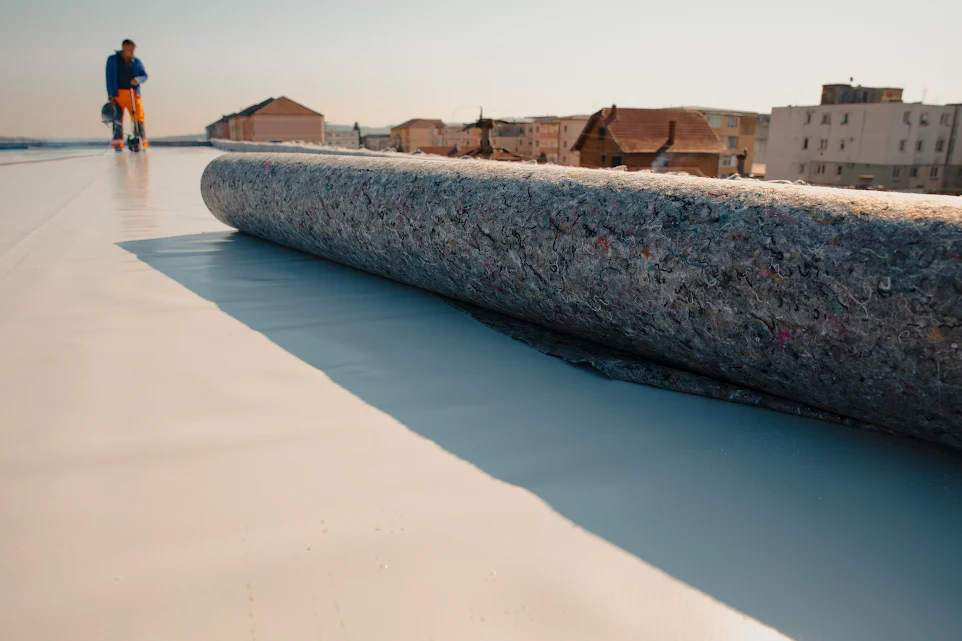
TPO roofing is a single-ply membrane, usually white, with seams joined using hot air. Its reflective surface can help reduce heat absorption and welded seams create a continuous layer when installed properly.
EPDM roofing is a synthetic rubber membrane, usually black in color. It is flexible and can handle changing temperatures. Its seams are usually joined with special tape or adhesive and the damage can be repaired if you find it early.
Modified bitumen roofing is based on asphalt sheets with different materials which improve its strength and flexibility. It is installed in layers and can be torch-applied, self-adhered or attached with cold adhesive, depending on the product..
TPO vs EPDM Roofing
| TOP | EPDM |
| TPO is popular because of its light colour and shiny surface. It can be a good fit for buildings where you want a cost effective option in summers. Its seams are heat-welded, so skill and careful seam work is important. | EPDM has a long history of its use and it is flexible according to the changes in temperature. EPDM absorbs more heat than TPO. It can suit buildings where a rubber membrane and easy repairs are priorities. |
There is no ranking of the two systems. The roof’s life is impacted by its drainage, insulation, membrane thickness and workmanship. Don’t select a system just because of the name of the material, ask the contractor which one is more suitable for your building.
When Is Modified Bitumen a Good Choice?
Modified bitumen roofing can be useful on roofs that you can regularly maintain. Its multiple layers provide added thickness and can make it a good option for complex roof layouts.
Installation method matters. Products that are applied from a torch use an open flame and need safety measures. In some buildings, self-adhered or cold-applied options may be more suitable. A roofer should look at the deck, existing roof and fire risks before recommending a system.
Cost and Expected Lifespan
The flat roof replacement cost depends on various factors. Roof size, insulation, removing old materials, drainage repairs and labour all affect the cost.
| System | Main benefit | Things to consider |
| TPO | Reflective surface and heat-welded seams | Seam quality and puncture protection |
| EPDM | Flexible membrane with a long history of use | Dark membranes absorb more heat so seams need proper bonding |
| Modified bitumen | Layered construction and good resistance to routine roof traffic | Installation can take longer, method and safety must be considered |
Many properly installed systems can last around 20 years or longer, but actual service life depends on product, climate, maintenance and installation quality.
Best Flat Roof Material
The best flat roof material is the one that works best for your building.
- Choose TPO if you want a reflective surface and welded seam
- Consider EPDM if flexibility, a proven membrane and repairability matters
- Look at modified bitumen if the roof needs a layered system that can get regular service
These commercial flat roofing systems need to be evaluated for drainage. Standing water can shorten the life of many roofs, so repairing low spots and checking drains is just as important as choosing the membrane.
Final Thoughts
TPO, EPDM, and modified bitumen each have their own benefits and uses. The best choice depends on your roof’s condition, insulation, drainage, and how you use the building. A professional assessment can help you explore the options and choose the right one for your needs. Mike’s Roofing LLC can help assess your roof and explain which option suits your property and budget.
Frequently Asked Questions
1. Is TPO better than EPDM?
TPO may suit buildings that need lower temperature and that can reflect sunlight, while EPDM has more flexibility and a long history of use. The best option depends on the building and its needs.
2. How long do flat roofing systems last?
Many systems can last about 20 years or more than that. Their lifespan is affected by its maintenance, weather, product quality and workmanship.
3. Is modified bitumen good for commercial roofs?
It can be, especially where a layered membrane and regular use is needed. The installation method should match the building and conditions.
4. What’s the roof replacement cost?
The cost is affected by the size of the roof, whether the roof needs to be removed, adding insulation, drainage, access, flashing, roofing material and labor
5. Can I install a new roof over my old one?
Sometimes, but not always. There are several factors that should be considered before an overlay like moisture, damaged roof, roof layers and local code.