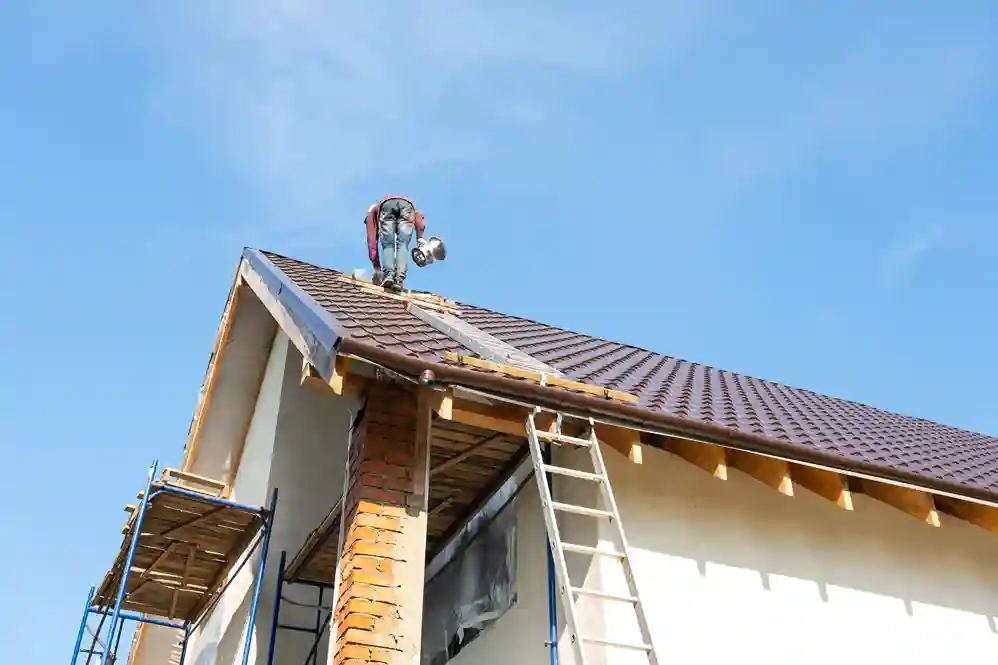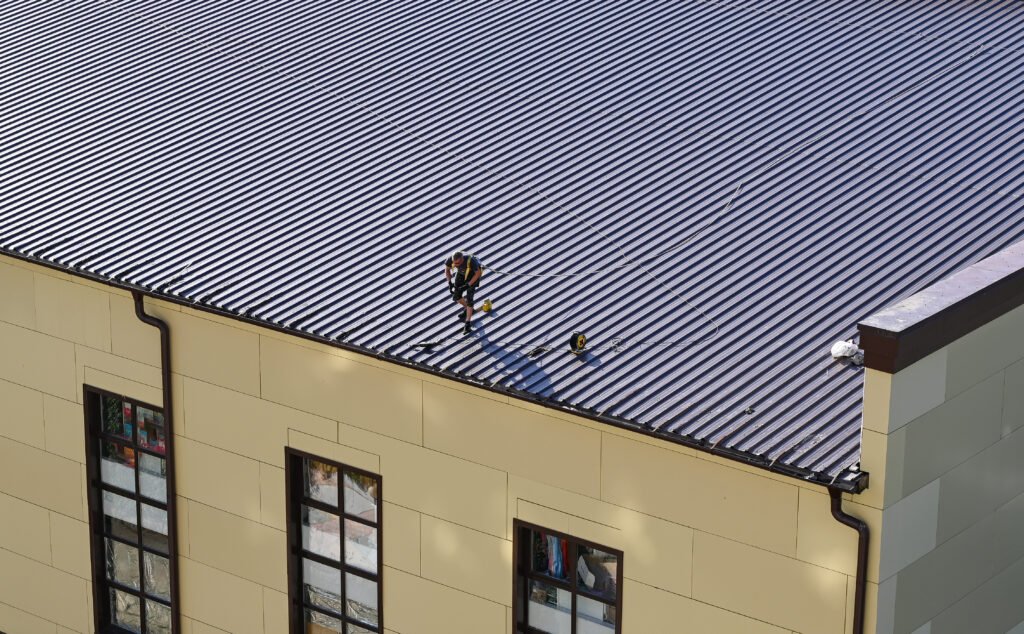
Roofs are some of the most essential elements of every home. It defends your family, home, and possessions from the weather and adds energy efficiency as well as visual appeal. However, no roof lasts forever. Sooner or later, every homeowner is going to come across the prospect of a roof replacement.
We understand how daunting it can seem to replace a roof here at Mike’s Roofing LLC. Homeowners typically have several concerns, including critical material selection, cost, and timelines. This guide has all the info you need regarding the full replacement of your roof, enabling you to make an educated decision about such a major investment and keep it safe for decades. A new roof is not just a repair but rather an upgrade for your long-term ownership that enhances safety, performance, and property value.
Correct Time For A Roof Replacement
Most roofing problems start with small signs. Some solutions just need repairs, while others indicate that everything is not working correctly and you’d be better off getting it fully replaced.
A few of the common indications are missing shingles, leaking in multiple locations, sagging roof sections, stained ceilings, storm-worn buildings, and even visible hail damage. Once a roof has outlived its useful life, replacement tends to be less expensive than repairing year after year.
A professional Roof Inspection will ascertain the condition of your roof and uncover whether repairs or a replacement is ultimately the most practical option. Fixing roofing issues early on minimizes the damage done to your overall structure.
Understanding Roof Lifespan
Depending on the choices of materials and local climatic conditions, every roofing system has a service life that can be expected.
Asphalt Shingle Roof systems often last between 20 and 30 years with proper maintenance. Metal roofing systems typically have a much longer service life and can last for decades of dependable protection.
Roof Lifespan: What determines it?
- Climate and weather exposure
- Installation quality
- Ventilation and attic conditions
- Routine maintenance and inspections
Ultimately, all roofing systems need to be replaced; regular maintenance can maximize the lifespan, however.
The Roof Replacement Process Explained
If you’ve never had your roof replaced before, you might not be sure what goes into a roofing replacement project. Usually, this process is initiated by a well-organized inspection and consideration. Contractors assess the status of current materials, decking, flashing, ventilation systems, and structural elements.
The last steps comprise underlayment, roofing material, flashing elements, and ventilation systems aimed at enhancing delay performance in the long run. Proper installation means the roofing system will function as it should, and is installed per local building codes.
Choosing the Right Roofing Materials
One of the most important choices homeowners make when replacing their roof is selecting the right material. If you’re not a roofing expert, asphalt shingles remain a popular option because they’re affordable, versatile, and available in a wide range of styles and colors. For homeowners considering roof replacement in Santa Rosa, NM, choosing a material that fits the home and local weather conditions is especially important. Metal roofing is also gaining popularity because of its durability, energy efficiency, and long lifespan. It can withstand harsh weather conditions, making it another practical option for many homeowners.
The right material will depend on the individual budget, desired aesthetic, amount of maintenance you are willing to invest, and climate. This is the time professionals come into play to help homeowners determine which roofing system suits their needs.
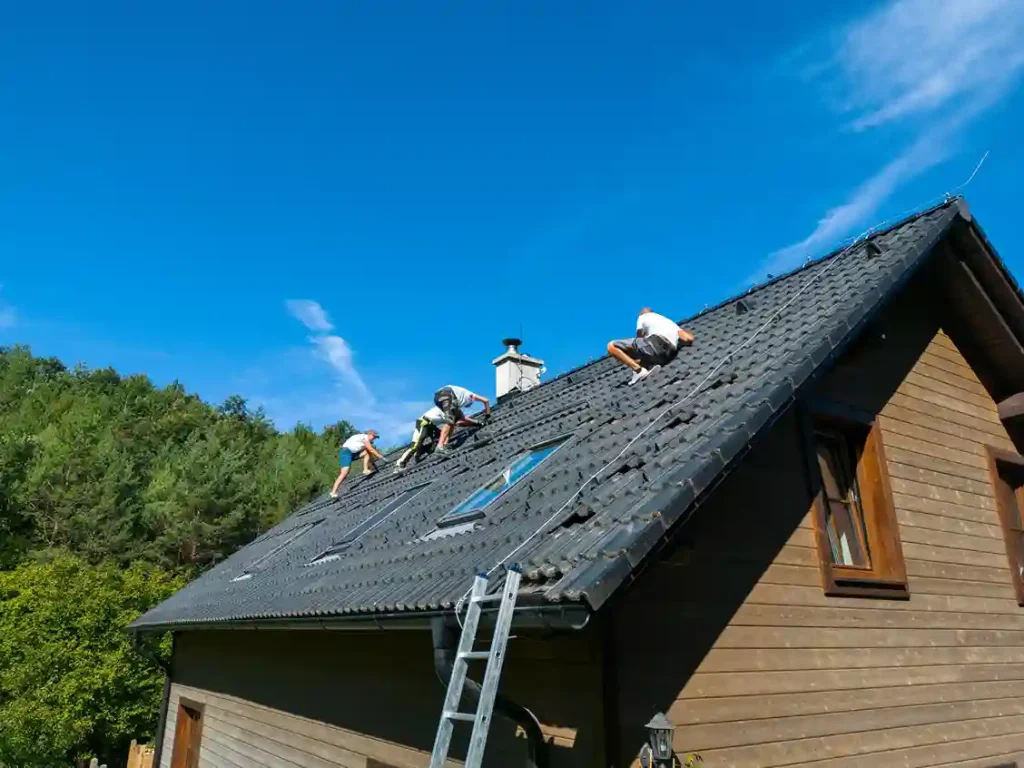
Why Investing in New Roofs Can Actually Pay Off?
There are replacement options for an aging roof other than just repairing leaks or damage. This leads to roof system enhancement that increases energy efficiency, improves curb appeal, adds value to your home or commercial building, and elevates investors’ confidence. Nowadays, modern roofing materials are better weather-resistant and have better insulation compared to older generations.
Fewer repairs can result in lower maintenance costs and, perhaps most importantly, fewer unexpected expenses as a homeowner. A properly installed roof equals a whole house that deserves to be protected while increasing value. This investment pays off with a higher degree of ride and road safety.
Frequently Asked Questions
How long does it take to replace a roof in Santa Rosa, NM?
While the timeline can be influenced by things like weather, the size and complexity of the roof, and materials used, most residential roof replacements take only a few days.
Will roof replacement after a storm be covered by homeowners’ insurance?
Insurance coverage varies based on the cause and extent of the damage. Losses from storms are usually protected by insurance, but policies differ.
Does the climate of New Mexico make metal roofing a good choice?
Yes. Metal roofing does particularly well in extreme sun and can provide great longevity and cool space efficiency.
Do I need to put a new roof on my house before selling it?
If the roof is well on its way to needing replacement, or there are visible problems, putting in a new one may instill confidence with potential buyers and will make your property more marketable than a similar home without it.
Can a roof replacement make a home more energy efficient?
Yes. Modern roofing systems also have insulating, ventilation, and reflective properties to the roof that improve performance by reducing heating and cooling demands.