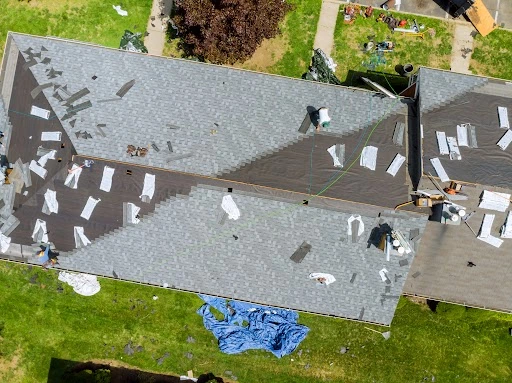
Your roof is one of the most important parts of your home. It protects your property from harsh weather, water damage, and structural problems. Choosing the right roofing contractor ensures your roof is installed or repaired correctly and lasts for many years.
However, finding a reliable roofing company can be challenging because there are many contractors offering similar services. Homeowners must evaluate experience, licensing, pricing, warranties, and customer reviews before making a decision.
This complete 2026 guide explains how to choose the best roofers and avoid costly mistakes when hiring a roofing contractor.
Step-by-Step Guide to Choosing the Best Roofing Contractor
Follow these proven steps to find a trustworthy roofing professional for your project.
Step 1: Understand Your Roofing Needs
Before contacting contractors, determine what type of service you need.
Common roofing services include:
- Roof repair
- Roof replacement
- New roof installation
- Storm damage repair
Also consider the roofing materials you prefer, such as asphalt shingles, metal roofing, or tile roofing. Knowing your needs will help contractors provide accurate estimates.
Step 2: Ask for Recommendations
One of the best ways to find reliable roofers is through personal recommendations.
Ask:
- Neighbors
- Friends
- Family members
- Local community groups
People who have recently completed roofing projects can provide honest feedback about the contractor’s quality, professionalism, and pricing.
Step 3: Check Online Reviews
Online reviews provide valuable insight into a roofing company’s reputation.
Look for reviews on:
- Yelp
- Home improvement platforms
Pay attention to patterns. A few negative reviews are normal, but frequent complaints about poor workmanship or delays may indicate a problem.
Step 4: Verify Licenses and Insurance
Always confirm that the roofing contractor has:
- A valid contractor license
- Liability insurance
- Workers’ compensation coverage
These protections prevent homeowners from being financially responsible if accidents or damage occur during the project.
Step 5: Request References
A reputable roofing company should be able to provide references from previous clients.
Contact these homeowners and ask about:
- Work quality
- Project timeline
- Professionalism
- Overall satisfaction
Positive references indicate that the contractor consistently delivers good results.
Step 6: Compare Multiple Estimates
It is recommended to obtain at least three roofing estimates before choosing a contractor.
Each estimate should include:
- Material costs
- Labor costs
- Cleanup and disposal fees
- Project timeline
Comparing estimates helps you understand the average price and avoid overpriced roof repair or roof replacement services.
Step 7: Understand Roofing Warranties
Roofing warranties protect your investment.
There are usually two types:
- Manufacturer Warranty
Covers defects in roofing materials.
- Workmanship Warranty
Covers installation errors made by the contractor.
Always request written documentation of both warranties before signing a contract.
Step 8: Evaluate Experience and Expertise
Experience plays a major role in roofing quality.
Choose contractors who have:
- Several years of industry experience
- Specialized roofing certifications
- A strong portfolio of completed projects
Experienced roofers are better equipped to handle unexpected issues during installation.
Step 9: Prioritize Clear Communication
Good communication ensures a smooth roofing project.
Reliable contractors should:
- Respond quickly to questions
- Explain project details clearly
- Provide regular updates during installation
Clear communication prevents misunderstandings and ensures the project stays on schedule.
Step 10: Make a Careful Final Decision
After researching contractors, reviewing estimates, and checking credentials, choose the roofing company that offers the best combination of:
- Experience
- Reliability
- Fair pricing
- Positive customer feedback
Avoid rushing the decision. A well-chosen roofing contractor can provide a roof that protects your home for decades.
Common Mistakes to Avoid When Hiring Roofers
Homeowners sometimes make mistakes when choosing contractors. Avoid these common problems:
- Hiring unlicensed roofers
- Choosing the cheapest quote without research
- Ignoring online reviews
- Not asking for written contracts
- Skipping warranty details
Taking time to research contractors helps ensure a successful roofing project.
Conclusion
Choosing the right roofing contractor requires careful research and planning. By understanding your roofing needs, checking licenses and reviews, comparing estimates, and reviewing warranties, you can confidently hire a reliable professional.
A trusted roofing contractor will deliver high-quality workmanship, durable materials, and long-term protection for your home. Investing time in selecting the right roofer ensures your roof remains strong, safe, and reliable for many years.
FAQs
- How do I choose a reliable roofing contractor?
Look for licensed and insured contractors with positive reviews, strong references, and clear written estimates. - How long does roof installation usually take?
Most residential roof installations take 1–3 days, depending on roof size and materials. - Should I get multiple roofing estimates?
Yes. Getting at least three estimates helps you compare prices and services. - What should be included in a roofing contract?
A roofing contract should include materials, labor costs, timeline, warranties, and cleanup details. - How often should a roof be inspected?
Experts recommend inspecting your roof at least twice a year and after major storms.