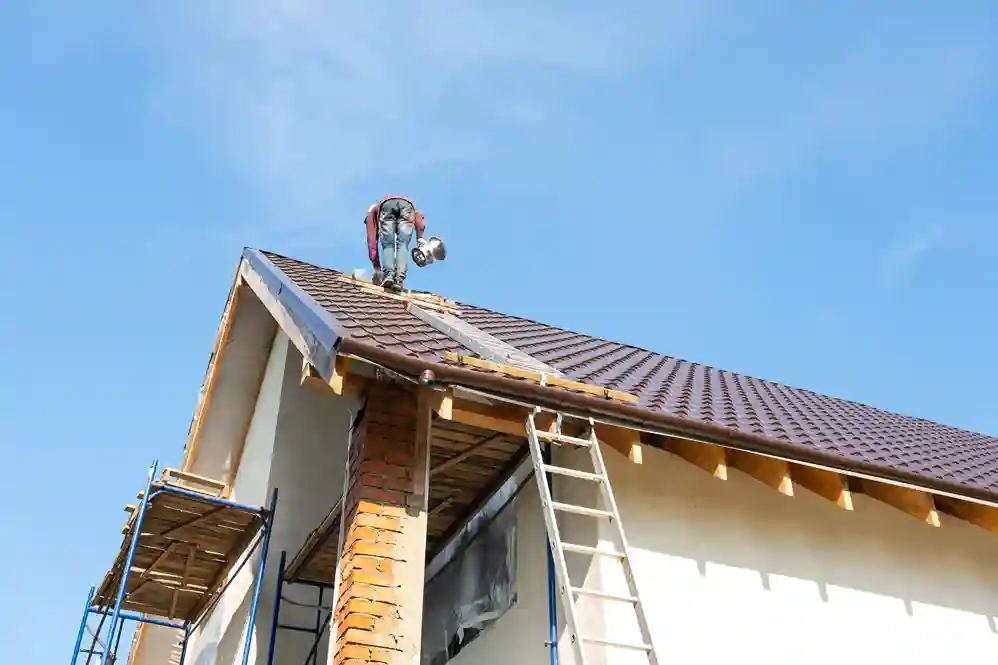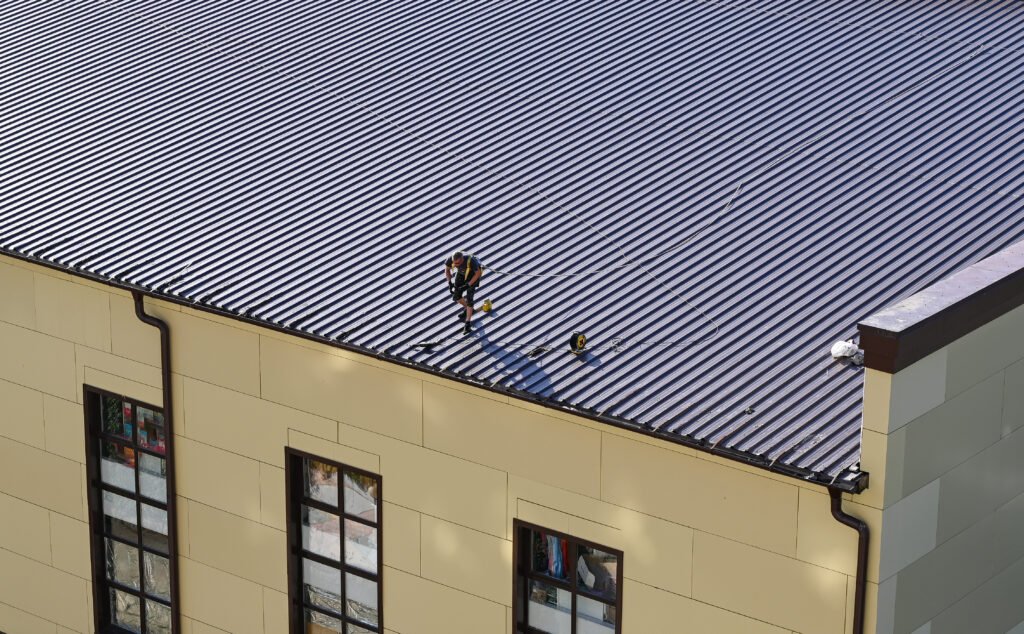
Your roof is your home’s first line of defense against harsh weather, temperature changes, and long-term structural damage. Yet, it’s often one of the most overlooked parts of a house, until something goes wrong.
The truth is, most major roofing problems don’t happen overnight. They build up slowly due to neglect, poor maintenance, or unnoticed damage. The good news? With the right roof maintenance tips, you can extend your roof’s lifespan, prevent costly roof repairs, and keep your home safe year-round.
In this guide, we’ll break down 10 essential roof maintenance tips every homeowner should follow in 2026, along with expert advice to help you avoid expensive surprises.
Why Roof Maintenance Matters
Routine roof maintenance isn’t just about appearance; it’s about protection, efficiency, and long-term savings.
A well-maintained roof:
- Prevents leaks and water damage
- Improves energy efficiency
- Extends roof lifespan (by 5–10+ years)
- Reduces repair and replacement costs
- Maintains property value
Ignoring small issues today can lead to major structural damage tomorrow. That’s why proactive care is always cheaper than reactive repairs.
Top 10 Roof Maintenance Tips
1. Clean Your Gutters Regularly
Clogged gutters are one of the most common causes of roof damage.
When leaves, dirt, and debris block your gutters, water can’t drain properly. This leads to:
- Water is pooling on the roof
- Roof leaks
- Foundation damage
- Ice dams in winter
What to do:
- Clean gutters at least twice a year (spring & fall)
- Check after storms
- Ensure downspouts are clear
2. Inspect Your Roof After Storms
Strong winds, heavy rain, and hail can damage shingles and flashing.
Even if everything looks fine from the ground, hidden damage may exist.
Look for:
- Missing or cracked shingles
- Debris buildup
- Bent flashing
- Water stains inside your home
Early detection can save you thousands in repairs.
3. Replace Damaged or Missing Shingles Immediately
Shingles act as a protective barrier. When they’re damaged, your roof becomes vulnerable to moisture and leaks.
Common causes of shingle damage:
- UV exposure
- High winds
- Aging materials
Tip:
Don’t delay repairs; small gaps can quickly turn into major leaks.
4. Check and Maintain Roof Flashing
Flashing seals the most vulnerable areas of your roof, including:
- Chimneys
- Skylights
- Roof valleys
If flashing becomes loose or corroded, water can seep in.
Maintenance checklist:
- Look for rust or cracks
- Ensure flashing is tightly sealed
- Replace damaged sections promptly
5. Trim Overhanging Tree Branches
Trees near your home can be a hidden risk.
Overhanging branches:
- Scratch roofing materials
- Drop debris onto the roof
- Break during storms and cause damage
Best practice:
Trim branches so they stay at least 6–10 feet away from your roof.
6. Remove Moss, Algae, and Debris
Moss and algae thrive in damp, shaded areas and can slowly damage your roof.
Problems they cause:
- Moisture retention
- Shingle deterioration
- Reduced curb appeal
Solution:
- Use roof-safe cleaning solutions
- Avoid pressure washing (can damage shingles)
- Schedule professional cleaning if needed
7. Ensure Proper Attic Ventilation
Many homeowners don’t realize that roof health starts inside the attic.
Poor ventilation can lead to:
- Heat buildup
- Moisture accumulation
- Mold growth
- Premature shingle aging
Check for:
- Proper airflow
- Blocked vents
- Excess humidity
Good ventilation helps regulate temperature and extend your roof’s life.
8. Inspect Your Attic for Warning Signs
Your attic can reveal early signs of roof problems.
Watch for:
- Water stains
- Mold or mildew
- Musty odors
- Sunlight coming through the roof boards
If you notice any of these, your roof may already have damage.
9. Remove Snow Buildup in Winter
In colder climates, snow accumulation can put significant weight on your roof.
This can lead to:
- Structural stress
- Roof collapse (in extreme cases)
- Ice dams
Tip:
Use a roof rake to safely remove excess snow, but avoid climbing onto the roof yourself.
10. Schedule Annual Professional Roof Inspections
Even with regular DIY maintenance, professional inspections are essential.
A trained roofing expert can:
- Detect hidden damage
- Identify weak spots
- Recommend preventive repairs
When to schedule inspections:
- Once a year
- After major storms
- Before buying or selling a home
Seasonal Roof Maintenance Checklist
To stay consistent, follow this simple seasonal routine:
Spring
- Clean gutters
- Inspect for winter damage
- Check flashing and shingles
Summer
- Look for UV damage
- Remove debris
- Check attic ventilation
Fall
- Clear leaves from gutters
- Trim tree branches
- Prepare for winter
Winter
- Monitor snow buildup
- Watch for ice dams
- Check for indoor leaks
DIY vs. Professional Roof Maintenance
DIY Tasks
- Gutter cleaning
- Visual inspections
- Debris removal
- Minor fixes
Professional Services
- Roof inspections
- Leak repairs
- Flashing replacement
- Structural assessments
Important:
Avoid climbing onto your roof unless you have proper safety equipment.
Common Roof Maintenance Mistakes to Avoid
Even well-intentioned homeowners can make costly mistakes.
Ignoring small leaks
Pressure washing shingles
Skipping annual inspections
Walking on the roof unnecessarily
Using incorrect cleaning chemicals
Avoiding these mistakes can significantly extend your roof’s lifespan.
How Much Does Roof Maintenance Cost in 2026?
Roof maintenance is far more affordable than major repairs.
Estimated costs:
- Roof inspection: $150–$600
- Gutter cleaning: $100–$300
- Minor repairs: $200–$1,000
Compare that to a full roof replacement, which can cost $5,000–$15,000+.
Bottom line: Preventive maintenance saves money.
When Should You Replace Your Roof?
Even with proper care, every roof has a lifespan.
Typical lifespan by material:
- Asphalt shingles: 20–30 years
- Metal roofing: 40–70 years
- Tile or slate: 50+ years
Signs you may need replacement:
- Frequent leaks
- Widespread shingle damage
- Sagging roof structure
- High energy bills
Conclusion
Roof maintenance isn’t complicated, but it does require consistency.
By following these simple yet effective roof maintenance tips, you can:
- Prevent costly damage
- Extend your roof’s lifespan
- Protect your home and family
A little effort today can save you thousands tomorrow.
If you’re unsure about your roof’s condition, it’s always best to consult a professional. Regular inspections and timely repairs will keep your roof strong, safe, and reliable for years to come.
FAQs
- How often should roof maintenance be done?
Roof maintenance should be performed at least twice a year, along with inspections after major storms. - Can I do roof maintenance myself?
Yes, basic tasks like cleaning gutters and visual inspections can be done yourself. However, professional inspections are recommended annually. - What happens if you don’t maintain your roof?
Neglecting roof maintenance can lead to leaks, mold growth, structural damage, and expensive repairs. - What is included in a roof inspection?
A professional roof inspection typically includes checking shingles, flashing, gutters, ventilation, and structural integrity. - What is the lowest maintenance roofing material?
Metal, slate, and clay tile roofs generally require the least maintenance and have longer lifespans.