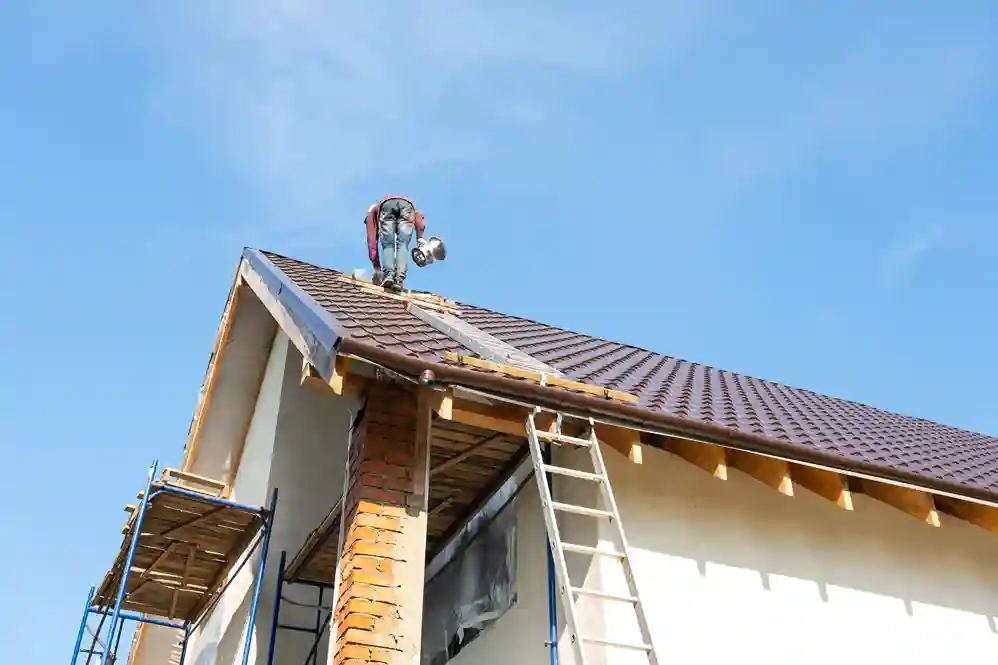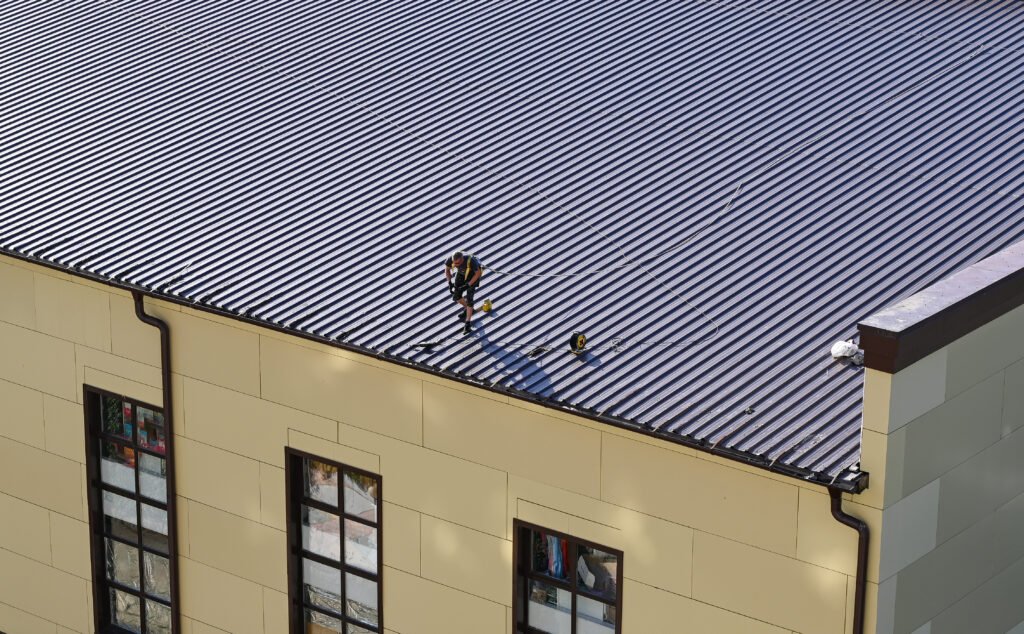
Energy-efficient roofing solutions regulate your indoor temperatures and your home’s energy performance. As the heat wave lashes, opting for eco-friendly roofing solutions ensures your well-being and comfort. Cool roof technology or green roofing systems, energy-efficient roofing contributes to a sustainable future. Insulated roof panels of metal roofing are considered one of the best due to their excellent thermal performance. Asphalt shingles with protective coating are also among the best roofs for hot climates. Mike’s Roofing LLC can help you understand that heat-resistant roofing offers environmental benefits and stormwater management.
Roofing Solutions to Enhance Your Comfort And Energy Saving Goals
Most homeowners aren’t aware of energy-efficient roofing and how much they can benefit from having one. If you’re considering replacing your HVAC to reduce your energy bills, think about getting a new energy-efficient roof that will maximize your comfort and reduce strain on your heating and cooling system. Metals and tiles are good, energy-efficient roofing materials. Search for qualified companies to get roofing for lower utility bills.
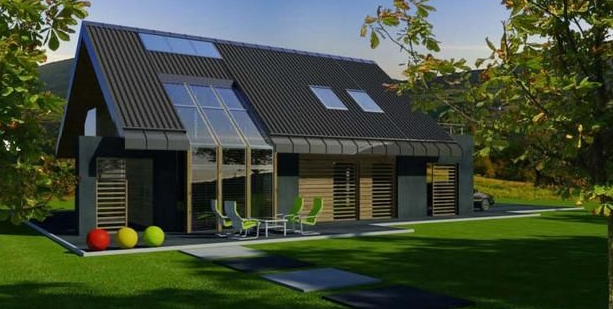
The following are some of the best energy-efficient roofing solutions.
- Metal Roofing
Metal roofs are the best heat-resistant roofing, ideal for hot climates. Metals are known for their durability and heat resistance, making them an ideal choice to reduce heat gain through the roof. Metal insulated roof panels cool down your roof due to their reflective properties, reducing energy costs significantly. One of the best eco-friendly roofing solutions, metals are recyclable materials, making them an environmentally friendly option to go for.
| Did you know? The largest roof in the US, of the Mercedes-Benz Stadium in Atlanta, Georgia, is over 14 acres. |
- Cool Roofs
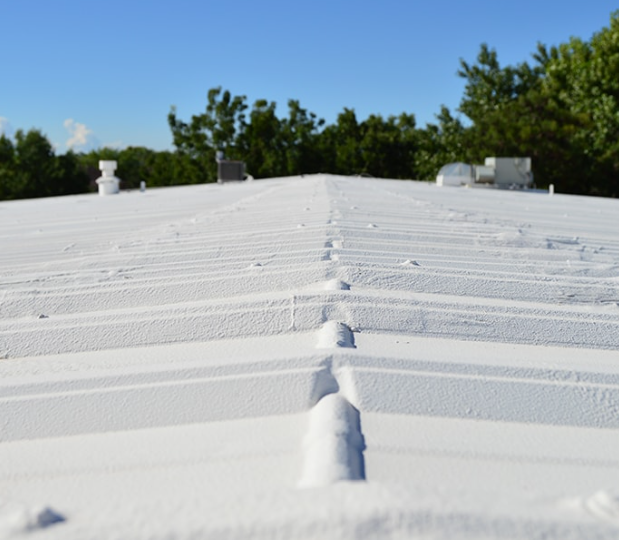
Cool roof technology absorbs less heat than traditional roofing, making it an ideal roofing option for reducing the heat island effect in urban areas. Cool roof technology uses reflective coatings to lower indoor temperatures and decrease the need for air conditioning by approximately 15%. Helping in dealing with stormwater, cool roofs offer roofing ventilation and energy savings.
- Tile Roofing
Tiles made of clay or concrete reduce heat gain through the roof due to enhanced air circulation. Tile roofing is considered the best roof for hot climates because it blocks out the sun’s rays and can absorb moisture easily. Durable and facilitating roof decking, tiles are great for roofing ventilation and energy savings.
- Solar Roofing
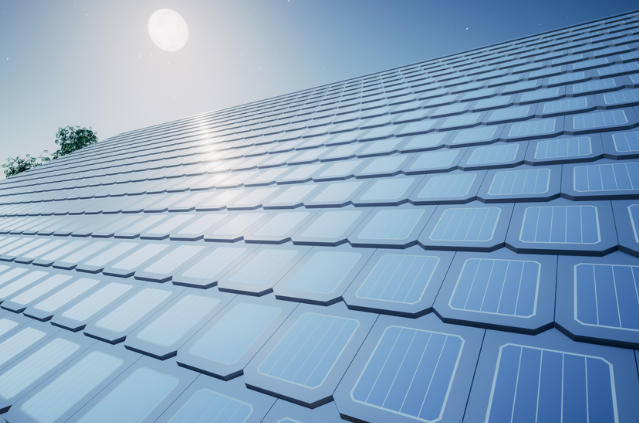
Solar roofing options are also an environmentally friendly option, increasing a home’s energy efficiency. Solar roofs come in tile and panel form. Solar panels require a proper structure to be mounted on, but solar roofing options like tiles involve the embedding of solar cells into traditional tiles like shingles to increase their energy efficiency.
- Green Roofing
Covering your roofing with vegetation over a waterproof membrane adds an insulation layer and looks aesthetically appealing and refreshing. Green roofing systems reduce heat gain through roof and reduce the internal and surrounding area temperature. Ideal for urban buildings, green roofing systems enhance roofing ventilation and energy savings and also help increase the biodiversity of various species.
| Did you know? The Babylonians and the Romans started the green roof trend. |
- Asphalt Shingles Roofing
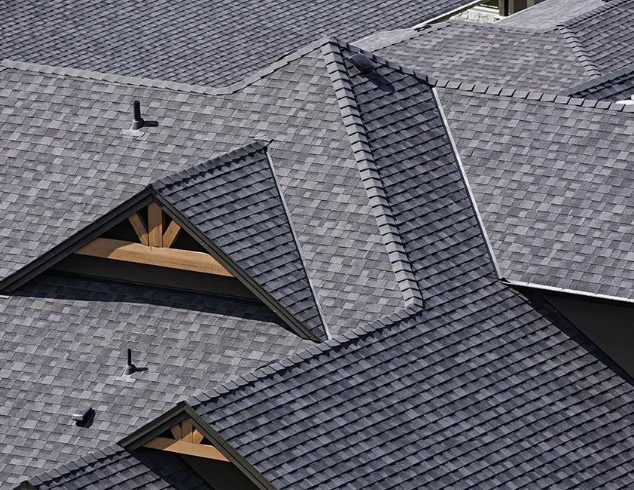
A popular roofing choice in the US, asphalt shingles with protective coatings reflect solar waves effectively, making them energy-efficient roofing materials. Asphalt shingles vs metal roof efficiency comparison shows that although shingles are cost-effective, metal roofs are more energy-efficient, approximately cutting costs by up to 50%. Also, metal is more durable than asphalt shingles; asphalt shingles vs metal roof efficiency results make metal a clear winner.
Conclusion
Roofing material can significantly impact your home’s energy consumption. To reduce heat gain through roofs, opt for the energy-efficient roofing solutions mentioned above. Designed to reflect more sunlight than traditional roofing, these eco-friendly roofing options for lower utility bills prevent heat buildup, support your structure, and reduce your carbon footprint.
FAQs
- How long can metal roofs last?
Metal can last for more than 50 years. - What is the most eco-friendly roof?
Cool roofs are the most environmentally friendly option. - Are green roofs waterproof?
Yes, green roofs use high high-quality waterproof layer. - How thick are green roofing systems?
Intensive green roof thickness can range from 6 to 48 inches. - Which is the most common roof type?
Asphalt shingles are the most common roof type.