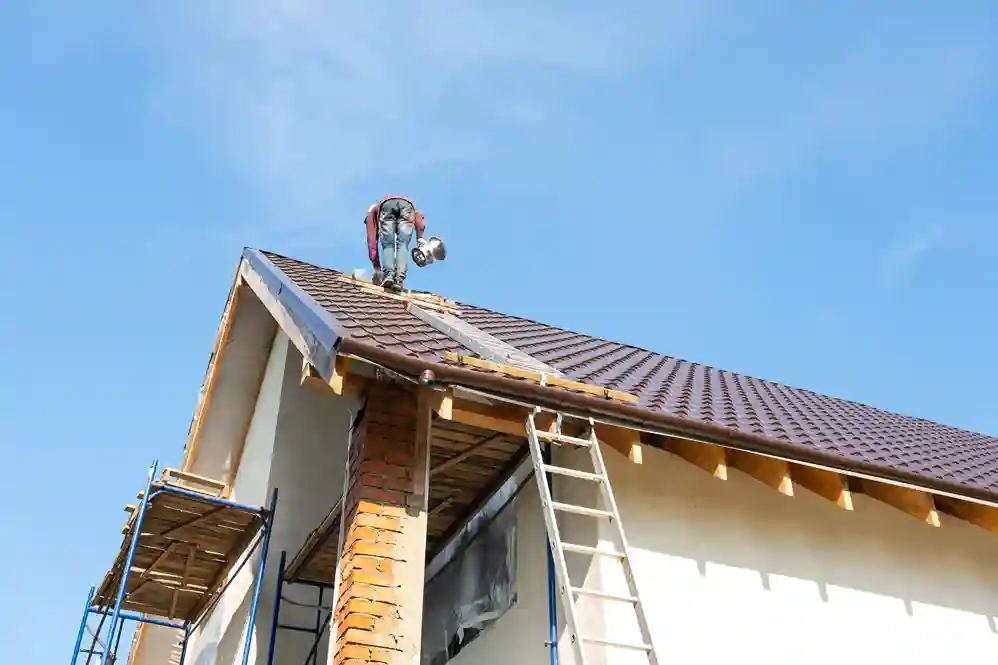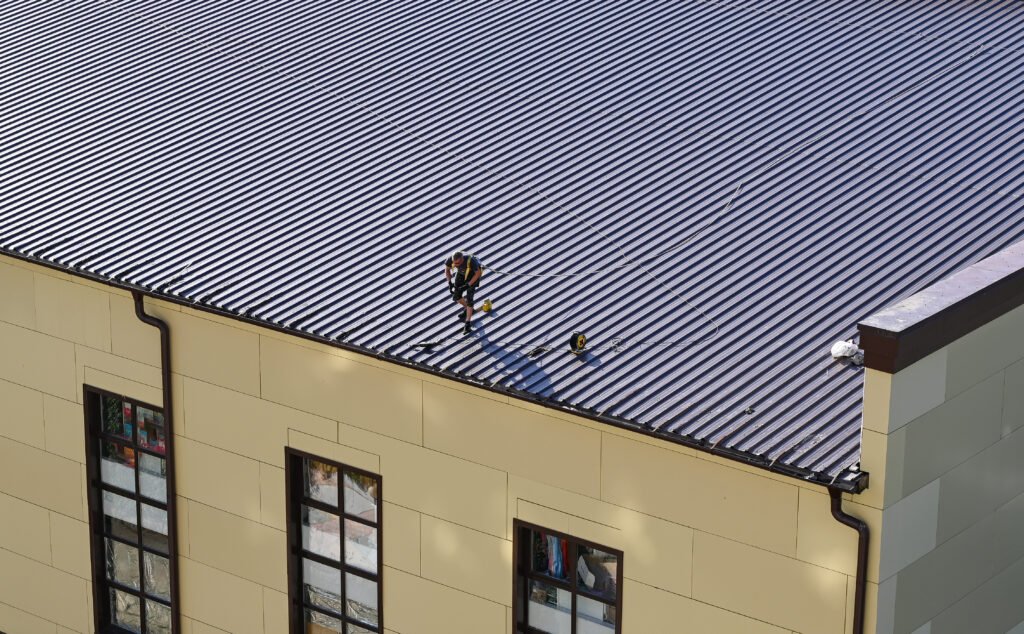
Residential roofing provides shelter and significantly enhances the home’s overall aesthetics. It’s a substantial investment that adds value to your property. If you’re considering a new roof installation, this guide will equip you with all the necessary information to make an informed decision.
The Cost of New Roof Installation: A Cheat Sheet
The average roof installation cost estimate in the USA is around $9514, but generally ranges from $5,867 to $13,210. This average cost fluctuates depending on roof size, geographical location, and material used.
Factors Affecting the Costs of Roof Installation
The roof size, shape of the roof, crew size, and material to be used for roof preparation affect the overall roof installation or roof repair costs. Whether your roof lies on a double story or a triple story matters a lot; in the same manner, the material used would impact the overall costs.

The following factors significantly impact the professional roof installation cost in the USA;
- Cost depends on the Material.
The material used is the structural element in the roof installation process; common materials include metal roofing, which uses aluminum or steel. Asphalt and shingles are also used as roofing materials. Out of all these roofing materials, asphalt or composite shingles are readily used and inexpensive.

While metal roofing is the most expensive and the strongest, if you wish to have it, ensure that your home is strong enough to withstand it for a longer period of time.
- Cost depends on Labor.
Labor costs typically account for 60% of the total work. Therefore, the labor rate, crew experience, and size heavily influence the overall roof installation costs. Experienced labor often commands higher rates than less skilled labor. Similarly, if the roof has a steep surface and requires extra embellishments and design, you may need experienced teams with large teams and a high reputation, which will result in higher costs.

- Cost by Roof Size.
Roof size is another determining factor in estimating overall roof costs; the larger the size, the higher the costs, and the smaller the size, the lower the costs.
- Other Factors Affecting Roof Costs.
While considering roof installation, consider other factors beyond the material, labor, and roof size that are involved in affecting the overall roof costs, as follows:
- Permit Acquisition: A permit for roof installation is usually obtained from local authorities, as per the regional code of conduct. The contractor you hire generally performs the work.
- Debris Removal: Your contractor might charge you additional fees for properly disposing of old roofing and cleaning it.
- Drip Edge Installation: A drip edge is a metal trim installed at the roof’s edges to prevent rainwater from seeping inside the roofing material.
- Underlayment Installation: An underlayment, typically of asphalt-saturated paper, is placed over the roofing to prevent moisture from getting inside the decking.
- Vent Installation: Proper attic ventilation is a prerequisite for ensuring the longer lifespan of the roofing, so you need to keep that in mind.
- Ice and Water Barrier Installation: In regions with a higher rate of snowfall and rainfall, you might need to install an additional ice and water barrier to prevent it from seeping inside.

Signs You Need a New Roof
The following signs demonstrate that you need an immediate roof installation or roof replacement:
- Water leaks
- Cracked or curled shingles
- Damaged or Missing Shingles
- Moss or Algae growth
- Sagging rood
- Chimney Issues
If your roof shows any of the above signs or has exceeded its lifespan (about 20 to 30 years), it’s a good indicator that you should consider a new roof installation.
Hiring a professional Roof installation service
Before hiring a professional roof installation service, asking them a series of questions is essential. For instance, which material would be most suitable for your roof, considering your budget and the material to be used? Also, inquire about the rates in terms of labor costs and crew size. By getting answers to these questions, you’ll have a clearer picture of the overall roof installation cost estimates, making the process less stressful.
By asking about these aspects, you will know the overall roof installation cost estimates, and the process will become less stressful for you. Further, the best time of year for roof installation is autumn or fall, as it offers longer days, less humidity, and a mild temperature ideal for roof installation.

Conclusion
Roofing provides shelter and is also a fundamental element in enhancing the durability and functionality of your home. Before getting a new roof, calculate the roofing cost estimates by considering various factors, such as labor costs, crew size, and roofing material. Getting a reasonable estimate of all these elements beforehand gives you a hassle-free roof installation experience.
FAQs
Which factors should be considered for a new roof installation?
While looking for new roof installation services, consider various elements such as roof size, roof material, weather conditions, and labor costs.
How long does a roof installation take?
The time taken for roof installation depends on factors such as roof size, roof material used, crew size, and weather conditions.
Which factors impact the cost of roof installation?
Factors impacting the cost of roof installation include labor cost, roof size, and the type of material used.
How do you know if it’s time to install a new roof?
If your roof has been damaged or leaks during rain and storms, it’s time for a new installation.
What are the best roofing materials to be installed in my area?
The best roofing materials to be installed include asphalt shingles, metal roofing, tile roofs, and panel roofing. The rest depends on your budget and preference.